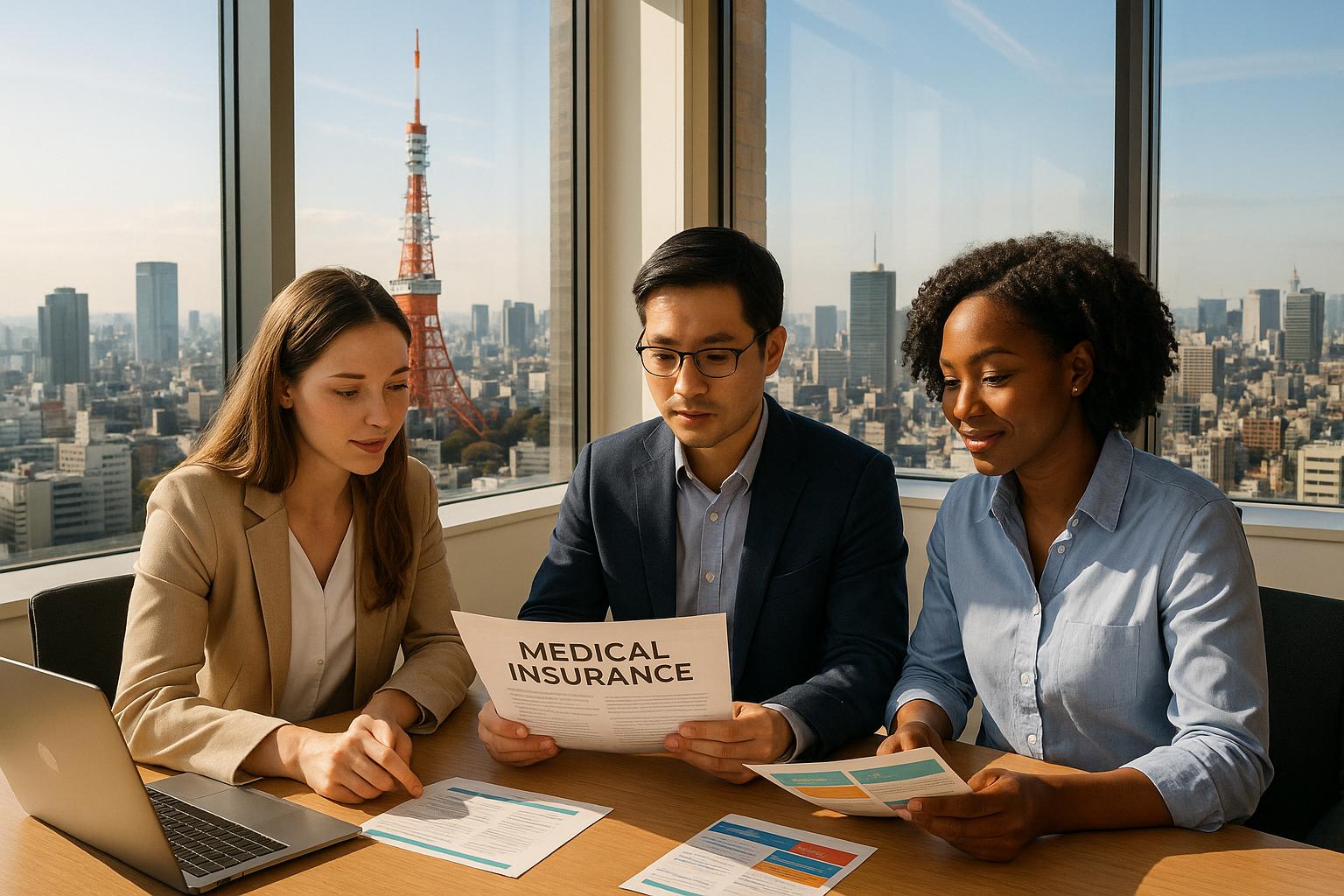
Navigating Medical Care in Japan as an Expat
Moving to or visiting Japan brings a lot of excitement, but figuring out how to access healthcare can feel daunting. Whether you're a tourist on a short trip or settling in for the long haul, understanding the system is key to staying healthy and stress-free. Japan's medical services are top-notch, but they come with unique rules, costs, and processes that differ based on your residency and insurance status.
Tailored Guidance for Every Situation
For expats, the challenge often lies in knowing where to start. A tourist facing a sudden illness in Kyoto might need an international hospital, while a long-term resident in Hokkaido with national coverage can visit a local clinic for routine care. Tools like our Japan Healthcare Access Planner simplify this by offering personalized steps—think of it as a roadmap to medical support in Japan. You’ll get details on facilities, estimated expenses, and even links to official resources.
Why Preparation Matters
Healthcare access varies widely across regions and situations. Being prepared with the right information ensures you’re not left scrambling during a health concern. Take a moment to plan ahead, and you’ll find peace of mind alongside Japan’s incredible culture and landscapes.
FAQs
Can tourists access healthcare in Japan without insurance?
Yes, tourists can absolutely get medical care in Japan, but it often comes at a high cost since most don’t have insurance coverage. Hospitals, especially international ones in big cities like Tokyo or Osaka, will treat you, but you’ll need to pay upfront—sometimes thousands of yen for emergencies. Our tool helps by pointing you to facilities that cater to foreigners and providing rough cost estimates so you’re not caught off guard. Just remember, it’s wise to have travel insurance before arriving.
How does National Health Insurance work for residents in Japan?
If you’re a long-term resident, Japan’s National Health Insurance (NHI) is a lifesaver. It covers about 70% of medical costs at registered clinics and hospitals, leaving you with just a small copay—usually 30%. You’ll need to enroll through your local ward office and carry your insurance card whenever you seek care. Our planner shows you how to find NHI-friendly facilities and what documents to bring, making the process smooth as possible.
What should I do for emergency care in Japan as an expat?
Emergencies can be stressful, especially in a new country. If you need urgent care, dial 119 for an ambulance—services are available nationwide, even for tourists. Costs vary wildly based on your insurance status, and not all hospitals accept foreign patients without a translator. Our tool tailors advice to your situation, listing nearby emergency centers, potential fees, and key phrases to communicate your needs. Always keep your passport or residence card handy for identification.